


Key Takeaways
-
Water conservation saves your business money and resources.
Reducing water usage isn’t just good for the environment—it directly lowers utility bills, minimizes waste, and improves your business’s operational efficiency. Sustainable practices can also boost your company’s reputation with eco-conscious clients and partners. -
Start by upgrading to water-efficient fixtures and equipment.
Replacing outdated faucets, toilets, and appliances with low-flow and high-efficiency models can cut commercial water consumption by thousands of gallons per month—resulting in significant long-term savings. -
Create a comprehensive water management plan.
Implementing a customized plan with regular audits, leak detection, and system monitoring helps identify hidden waste, set clear goals, and ensure your plumbing operates at peak performance. -
Use water recycling and reuse systems to maximize efficiency.
Capturing and repurposing water from cleaning, cooling, or processing operations reduces overall usage and lowers costs—especially in large facilities such as restaurants, offices, and manufacturing sites. -
Incorporate drought-smart landscaping techniques.
Outdoor water use can be drastically reduced with native or drought-resistant plants, weather-based irrigation controllers, and proper soil management—keeping your property green while conserving water. -
Educate employees and tenants on water-saving practices.
Building a culture of conservation through staff training, reminders, and incentives ensures everyone plays a part in reducing waste, making water efficiency a shared goal. -
Schedule regular maintenance to prevent costly leaks.
Even a small leak can waste thousands of gallons of water per month. Routine inspections and prompt repairs of plumbing fixtures, valves, and irrigation systems help prevent unnecessary losses. -
Leverage commercial high-pressure water jetting for system efficiency.
Professional jetting keeps drains and pipes clean without excessive water use, preventing buildup, improving flow, and minimizing the risk of backups or costly plumbing emergencies. -
Take advantage of local rebates and financing options.
Many cities, including Ventura and Oxnard, offer rebates and incentives for water-efficient upgrades. Hansen’s Plumbing (CA License #623180) can help identify eligible programs and provide affordable financing for larger commercial improvements.
Reducing water usage is not only an environmentally responsible choice but also a smart way to save money for your business. Implementing cost-effective strategies to reduce commercial water usage can result in substantial savings on utility bills, improve operational efficiency, and positively impact the community by conserving a valuable resource. These strategies offer benefits to businesses of all sizes, regardless of their industry or water usage patterns.
Understanding and applying effective strategies to reduce commercial water usage is crucial in today’s economy. As water costs rise and environmental regulations become stricter, it is essential for businesses to adopt practices that cut waste and make the most of their resources. This blog will explore several practical and cost-effective methods to achieve these goals and ensure long-term sustainability.
Why Water Conservation Matters for Businesses
Water conservation is increasingly crucial for businesses due to rising costs and the growing scarcity of this vital resource. High water usage not only drives up utility bills but can also result in regulatory fines and operational inefficiencies. Adopting effective strategies to reduce commercial water usage, including leveraging commercial high-pressure water jetting services, is crucial for controlling expenses and avoiding potential financial penalties associated with excessive consumption.
Additionally, a strong commitment to water conservation can significantly enhance a company’s public image. As sustainability becomes a central concern for consumers and partners, demonstrating efforts to reduce water usage can improve a business’s reputation. Embracing water-saving practices not only supports broader environmental goals but also offers a competitive advantage in the market.
8 Strategies to Reduce Commercial Water Usage
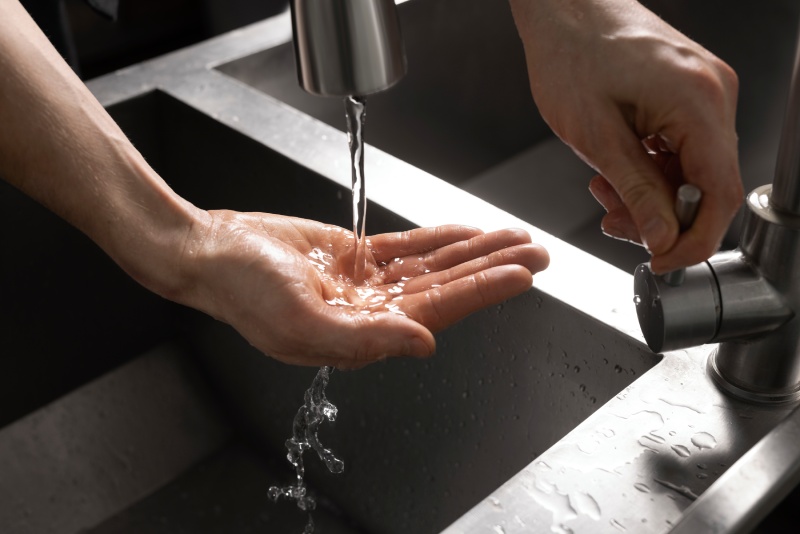
Implementing effective strategies to lower commercial water usage involves more than just basic adjustments—it requires a comprehensive approach to optimize every aspect of water management. Below are eight practical and cost-effective strategies that can help businesses achieve significant reductions in water consumption and operational costs.
-
Install Water-Efficient Fixtures
Upgrading to water-efficient fixtures is one of the most straightforward strategies to reduce commercial water usage. Low-flow faucets, toilets, and urinals are designed to use less water without compromising performance. These fixtures can drastically lower water consumption and reduce utility expenses, making them a valuable investment for businesses.
-
Implement a Water Management Plan
Developing a thorough water management plan is essential for businesses aiming to systematically reduce water usage. This plan should include regular water audits to pinpoint high-usage areas, establish leak detection protocols, and create a maintenance schedule to keep optimal performance of water systems. A well-structured water management plan helps track progress and refine strategies, leading to more effective water conservation.
-
Utilize Water Recycling Systems
Water recycling systems offer a highly efficient way to reduce commercial water usage by capturing and repurposing water from various processes. For instance, water used in cooling or cleaning can be filtered and reused for other applications. Implementing these systems not only conserves water but also lowers operational costs associated with water procurement, providing long-term savings and environmental benefits.
-
Adopt Efficient Landscaping Practices
Businesses with outdoor spaces can significantly cut water usage by adopting efficient landscaping practices. Utilizing drought-resistant plants, applying mulch to retain soil moisture, and installing smart irrigation systems that adjust based on weather conditions are effective methods. These practices help reduce the amount of water needed for landscaping while maintaining attractive and functional outdoor environments.
-
Educate Employees and Tenants
Raising awareness about water conservation among employees and tenants can drive meaningful changes in behavior that support water-saving goals. Implementing training programs, providing educational materials, and offering incentives for water-efficient practices help foster a culture of sustainability within the organization. Engaging staff in water conservation efforts can enhance the effectiveness of implemented strategies.
-
Regular Maintenance and Inspections
Routine maintenance and inspections are crucial for detecting and addressing issues that may contribute to water waste. Regularly checking for leaks, faulty equipment, and other problems ensures that water systems operate efficiently. Proactive maintenance helps prevent unnecessary water consumption and maintains overall system performance, making it a key component of effective water management.
-
Upgrade to Water-Efficient Equipment
Investing in water-efficient equipment, such as modern dishwashers and cooling systems, can lead to significant reductions in water usage. Newer models are designed to consume less water while delivering comparable or enhanced performance. Upgrading to these more efficient systems not only saves on water bills but also reduces the strain on plumbing infrastructure.
-
Use Commercial High-Pressure Water Jetting Services
Incorporating commercial high-pressure water jetting services into your maintenance routine is a specialized strategy to enhance water efficiency. These services effectively clean and maintain pipes and drainage systems using high-pressure water streams, which reduces the need for excessive water during maintenance tasks. High-pressure water jetting helps clear blockages and prevent debris buildup, leading to more efficient water use and fewer system-related issues.
Frequently Asked Questions
How much water does a single leaky toilet waste?
A constantly running commercial toilet can waste up to 200 gallons of water per day. That’s over 6,000 gallons a month and 72,000 gallons a year from a single faulty fixture.
How do I know if my business has a hidden water leak?
The clearest sign is a water bill that is significantly higher than usual for no apparent reason. You can also perform a meter test: shut off all water in your building and check your water meter. If the dial is still spinning, you have a leak.
Are there rebates for upgrading to water-efficient fixtures in Ventura?
Yes, the City of Ventura and other local water districts often offer rebates for commercial properties that upgrade to high-efficiency toilets, urinals, and irrigation controllers. We can help you identify these programs.
My business is a restaurant in Ventura. What is my biggest water-saving opportunity?
For a restaurant, the biggest opportunities are installing pre-rinse spray nozzles that use less than 1.6 gallons per minute and implementing a preventative drain maintenance plan with to prevent costly grease-related shutdowns.
We are a multi-tenant office building in Oxnard. How can we reduce our water costs?
For a multi-tenant building in Oxnard, the best strategies are upgrading all common area restrooms to water-efficient fixtures and performing a professional audit to find and fix silent leaks in the system.
Is Hansen’s Plumbing licensed and insured for commercial work?
Yes, we are a fully licensed (CA State License #623180), bonded, and insured plumbing contractor with over 30 years of experience serving commercial properties throughout Ventura County.
Can you perform maintenance after our business hours?
Yes, absolutely. We understand that you can’t disrupt your operations. We can schedule all preventative maintenance services for evenings or weekends to fit your schedule.
Do you offer financing for larger upgrades, like a full fixture replacement?
Yes, we offer flexible financing options to help your business manage the investment in water-saving upgrades.
What’s the first step to reducing my business’s water bill?
The first step is to call Hansen’s Plumbing at (805) 647-0113 to schedule a professional plumbing audit. It’s the fastest way to identify your biggest sources of waste and create a cost-effective action plan.
Conclusion: Driving Cost-Effective Commercial Water Savings
Adopting cost-effective strategies to reduce commercial water usage is essential for businesses seeking to optimize their operations and contribute to environmental sustainability. By implementing these strategies, companies can achieve significant cost savings, enhance their environmental stewardship, and improve their overall operational efficiency.
For expert assistance with plumbing solutions, consider reaching out to Hansen’s Plumbing and Remodeling – Ventura Plumber. Our expertise can help you apply these strategies effectively and ensure optimal water usage in your commercial facility. Contact us today!
